How Roofing Companies Are Using Drone and AI to Cut Inspection Time in 2026
Roofing companies that have added drones and AI to their inspection process are completing inspections faster, documenting damage more thoroughly, and winning more insurance claims than competitors still climbing every roof manually. Here is exactly how they are doing it.
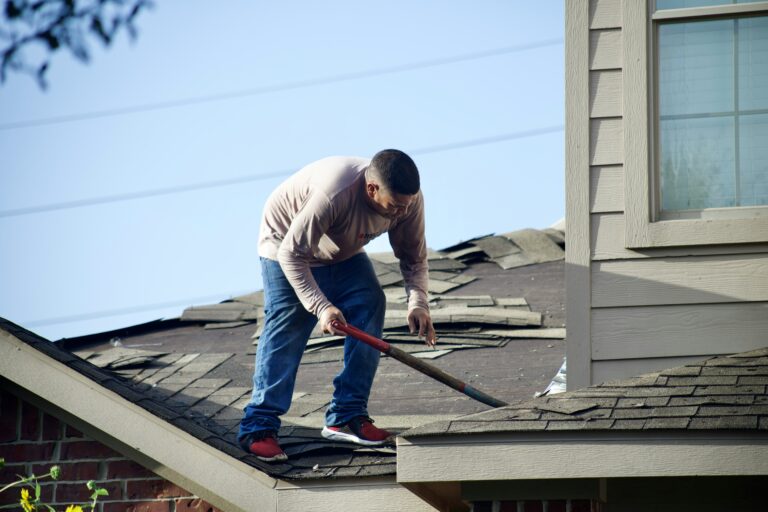
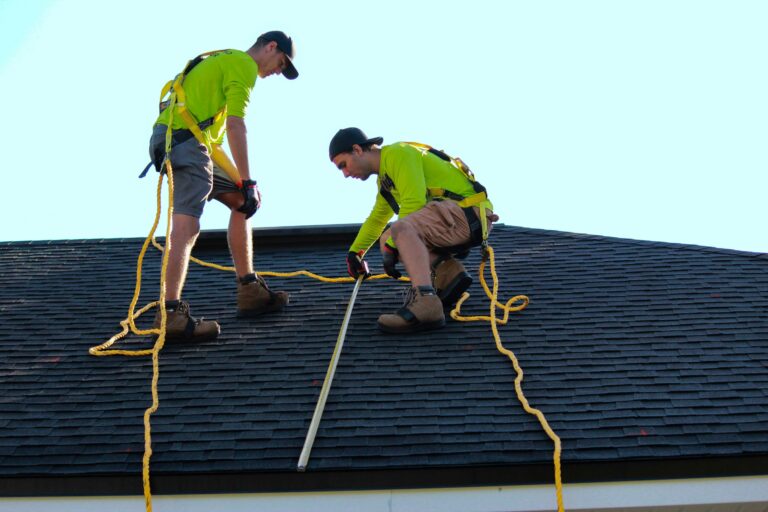
Roof inspection has always been one of the most time-consuming and physically demanding parts of roofing work. Every inspection means climbing a ladder, walking the roof surface, manually identifying and documenting damage, taking photos from awkward angles, and then compiling that documentation into something useful for an estimate or insurance claim. On a busy day a roofing contractor might inspect 3-4 roofs — spending as much time on inspections as on actual installation work.
Drone and AI technology is transforming that process for roofing companies that have adopted it. The combination of drone aerial imagery and AI analysis is making inspections faster, safer, more thorough, and more defensible for insurance purposes than manual inspection alone. Here is exactly how the most forward-thinking roofing companies are using these tools in 2026.
Why Drone and AI Inspection Makes Sense for Roofing
The case for drone inspection in roofing comes down to four factors that directly impact the bottom line. Speed — a drone can capture a complete roof inspection in 5-10 minutes rather than 30-45 minutes for a manual inspection. Safety — eliminating the need to walk steep or damaged roofs reduces the injury risk that is one of the most significant costs in the roofing industry. Documentation quality — aerial drone footage captures damage documentation that is more comprehensive and defensible than photos taken from a handheld camera. And insurance claim strength — AI-analyzed drone imagery with precise damage identification and measurement is significantly harder for adjusters to dispute than manual inspection reports.
For roofing companies doing significant storm damage and insurance restoration work these advantages translate directly into faster cycle times, lower labor costs, and higher claim approval rates.
How Roofing Companies Are Using Drones and AI
1. Drone Flyovers That Replace Manual Roof Walks
The most immediate application of drone technology in roofing is the replacement of the manual roof walk for initial inspections. A trained operator launches a drone from the ground, flies a systematic pattern over the roof capturing high-resolution photos and video of every surface, and lands the drone — all in under 10 minutes. The resulting imagery covers every square foot of the roof from angles that would be difficult or impossible to access safely on foot. For inspections after storm events where the roof may be wet, icy, or structurally compromised, drone inspection eliminates the safety risk of the manual walk entirely while producing better documentation than a manual inspection would generate.
2. AI Damage Detection That Catches What Human Eyes Miss
Once drone footage is captured AI analysis tools process the imagery and automatically identify damage — hail impacts, missing shingles, granule loss, flashing failures, ridge cap damage, and other defects — at a level of detail that exceeds what a human inspector can reliably identify during a manual walk. AI damage detection is particularly valuable for hail damage which can be subtle and difficult to quantify accurately on a manual inspection. The AI measures the size, distribution, and density of hail impacts across every roof plane and produces a damage report that is more objective and comprehensive than human inspection notes. For insurance claims where the thoroughness and accuracy of damage documentation directly affects the settlement amount this capability is enormously valuable.
3. Automated Measurement and Material Calculation
AI tools that analyze drone imagery can extract precise measurements from the footage — total roof area, pitch by plane, ridge and hip lengths, and valley dimensions — automatically. This combines the inspection and measurement steps into a single drone flight rather than separate manual processes. Roofing companies using integrated drone measurement report being able to go from property arrival to complete inspection report with measurements in under 30 minutes — a process that used to require a separate site visit for measurement in addition to the inspection visit. The time savings per job compound significantly across a high volume operation.
4. Insurance Claim Documentation That Is Harder to Dispute
One of the most significant advantages of drone and AI inspection for roofing companies that do insurance restoration work is the quality and defensibility of the documentation it produces. An AI-analyzed drone inspection report with timestamped aerial imagery, precise damage measurements, and computer-identified damage markers is significantly more difficult for an insurance adjuster to dispute than handwritten inspection notes and handheld photos. Roofing companies using drone inspection and AI damage analysis for insurance claims consistently report higher claim approval rates and fewer adjuster disputes than those using traditional manual inspection documentation.
5. Multi-Property Storm Response at Scale
After a significant hail or wind event roofing companies in the affected area face a surge of inspection requests that can overwhelm a crew limited to manual roof walks. A single drone operator can inspect 15-20 properties in a day compared to the 4-5 a manual crew can handle — giving drone-equipped roofing companies the ability to respond to storm surge demand at a scale that manual inspection processes cannot match. The companies that can inspect more properties fastest after a storm event capture more of the available insurance restoration work before competitors catch up.
6. Customer-Facing Inspection Reports That Build Confidence
AI-analyzed drone inspection reports give roofing companies a professional customer-facing document that builds homeowner confidence in the diagnosis and the proposed scope of work. Showing a homeowner annotated aerial photos of their roof with damage clearly marked and measured is more convincing than a contractor’s verbal description of what they saw during a manual inspection. Homeowners who receive a professional drone inspection report before receiving a proposal are more likely to approve the work and less likely to shop the job to competitors — because the documentation has established the contractor’s expertise and the legitimacy of the scope before the price conversation starts.
The Tools Making This Possible
DJI drones — the Mavic 3 Enterprise and Matrice series are the most widely used drone platforms in roofing inspection. DJI’s reliability, image quality, and the ecosystem of third-party software that integrates with their hardware makes them the industry default for roofing inspection operations.
EagleView — beyond their traditional aerial measurement service EagleView has expanded into drone-based inspection and AI damage analysis specifically for insurance restoration roofing work. Their carrier relationships make EagleView-generated drone inspection reports particularly valuable for insurance claim documentation.
Roofr and AccuLynx — both platforms integrate with drone measurement data and allow roofing contractors to build estimates and proposals directly from drone-captured measurements without manual data transfer.
What to Know Before Adding Drones to Your Roofing Operation
Flying a drone commercially in the US requires an FAA Part 107 certification — a written test that most people pass with 10-15 hours of study. The certification process is straightforward and the test is administered at FAA-approved testing centers. Operating commercially without it creates significant liability exposure and should not be considered.
Entry-level commercial drones suitable for roofing inspection start at around $1,500-$3,000. The investment typically pays back within the first month of use for a roofing company doing significant inspection volume — either through labor time savings on manual inspections or through improved insurance claim outcomes on restoration work.
The Bottom Line
Drone and AI inspection technology is not a future development for roofing — it is being used right now by roofing companies who are inspecting more properties per day, documenting damage more thoroughly, winning more insurance claims, and building stronger homeowner confidence than competitors using manual inspection alone.
For roofing companies doing significant storm damage and insurance restoration work the ROI on drone technology is clear and fast. For residential reroof companies the efficiency gains on inspection and measurement are meaningful even without the insurance claim advantage. The barrier to entry is lower than most roofing contractors expect — a Part 107 certification and a mid-range commercial drone is all that is needed to start capturing the advantages that drone inspection provides.
For a full breakdown of every tech tool available for roofing professionals, visit our AI Tools for Roofing Contractors & Roofing Businesses page.