How Roofing Contractors Are Using AI to Win More Insurance Claims in 2026
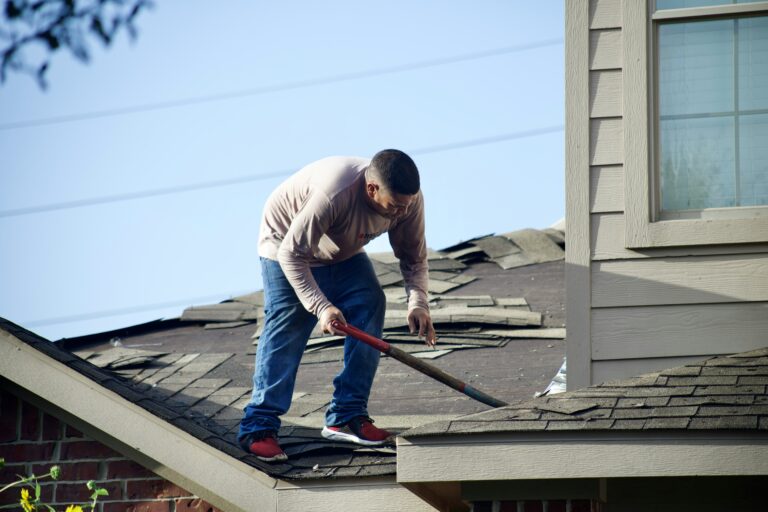
Insurance restoration is one of the most profitable segments of roofing — and one of the most documentation-intensive. Here is exactly how roofing contractors are using AI in 2026 to document storm damage more thoroughly, write stronger supplement requests, track claims more efficiently, and win approvals on work that less-documented competitors consistently lose.
The difference between a roofing contractor who wins 70% of their insurance claims and one who wins 40% is rarely the quality of the roof work — it is the quality of the documentation, the thoroughness of the damage assessment, and the professionalism of the supplement requests when the initial scope misses damage that should be covered. Insurance adjusters make decisions based on evidence, and the roofing contractors who provide the most comprehensive, professional, and well-organized evidence consistently get more of their claims approved at higher dollar amounts than those whose documentation is incomplete or unprofessional.
AI tools are giving restoration roofing contractors the documentation and workflow capabilities to compete at the highest level of the insurance claims process — capturing damage evidence systematically, writing supplement requests that adjusters approve, and tracking every claim through the process without losing momentum. Here is exactly how the most successful restoration contractors are using them.
Why Documentation Quality Determines Insurance Claim Outcomes
Insurance adjusters review hundreds of claims — they are looking for clear, specific evidence of covered damage tied to a documented cause of loss. A claim supported by dozens of geotagged, timestamped photos organized by damage type, a professional aerial measurement report, a detailed Xactimate estimate with line-item justification, and a written supplement request that cites policy language and industry standards is a claim that gets approved. A claim supported by a handful of unorganized photos and a handwritten estimate gets denied, delayed, or approved at a fraction of the actual replacement cost.
The contractors winning the most insurance work are treating documentation as a core competency — not an afterthought — and AI tools are making professional-grade documentation achievable without a dedicated office staff member managing each claim.
How Roofing Contractors Are Using AI to Win More Insurance Claims
1. Using Aerial AI Measurement to Document Damage Before Setting Foot on the Roof
EagleView and Hover use AI to analyze aerial and satellite imagery of properties — producing precise roof measurements, pitch calculations, and in EagleView’s newer products, storm damage indicators that document hail strike density and wind damage patterns across the roof surface. For insurance claims, this aerial documentation provides objective third-party evidence of storm damage that is significantly harder for adjusters to dispute than contractor-provided photos alone. The AI storm damage reports show strike density maps that correlate with weather event data — demonstrating not just that damage exists but that it is consistent with the storm event at the documented time, which is exactly the evidence standard that makes claims approval straightforward. Restoration contractors who order aerial reports on every potential insurance claim arrive at the adjuster meeting with documentation that commands professional respect and shifts the conversation from whether damage occurred to how much damage occurred.
2. Documenting Damage Systematically With AI-Assisted Photo Capture Apps
The most common documentation failure on insurance claims is disorganized photo evidence — dozens of images with no labels, no sequence, and no clear connection between specific photos and specific damage types or roof sections. AI-powered roof inspection apps guide inspectors through a systematic damage documentation process — prompting for photos of each roof section, each type of damage, each penetration, and each edge condition in a structured sequence that produces a complete, organized damage record rather than a random collection of images. The apps apply geotags, timestamps, and damage type labels automatically — producing a photo package that adjusters can follow without calling the contractor for explanations. For restoration contractors training new sales reps or inspectors, the AI-guided inspection workflow ensures consistent documentation quality regardless of individual experience level.
3. Writing Professional Supplement Requests That Get Approved
Supplementing insurance claims — requesting additional payment for line items that were missed or undervalued in the initial adjuster estimate — is where significant money is either captured or left on the table on every restoration job. A poorly written supplement request that simply says the initial estimate was too low gets ignored or denied. A professional supplement request that identifies each missed or undervalued line item by Xactimate code, cites the industry standard or manufacturer requirement that justifies the additional cost, references specific photos documenting the condition, and calculates the dollar impact clearly gets reviewed and approved. AI writing tools draft professional supplement requests from the contractor’s input — the contractor identifies the missed items and the justification, and the AI produces the formal written request in the professional language that adjusters respond to. For restoration contractors who have strong field knowledge but limited writing ability, this AI drafting capability closes the gap between knowing what is owed and being able to communicate it effectively.
4. Using CRM Automation to Track Every Claim Without Dropping the Ball
Insurance restoration claims move slowly — weeks or months pass between initial inspection, adjuster meeting, scope approval, supplement negotiation, and final payment. During that extended timeline, claims get lost, follow-up calls do not get made, supplement requests sit unanswered because nobody flagged them for follow-up, and homeowners who were excited to move forward cool off because the contractor went quiet. AI-powered CRM systems built for restoration contractors — like JobNimbus and AccuLynx — track every claim through each stage of the insurance process with automated reminders when actions are due, automatic follow-up sequences when stages have been idle too long, and dashboard visibility into the entire active claim pipeline so the owner can see at a glance which claims need attention without reading through individual files. Restoration contractors who have systematized their claim tracking consistently close a higher percentage of their pipeline simply because fewer claims fall through the cracks during the extended insurance process.
5. Identifying Storm-Affected Areas to Target Canvassing Efficiently
The most successful restoration roofing companies do not wait for homeowners to call them after a storm — they identify storm-affected areas using weather data and AI mapping tools and proactively canvass those neighborhoods in the days immediately following a significant weather event, when homeowner awareness of potential damage is highest and before competitors have saturated the area. AI storm tracking platforms identify hail paths, wind damage zones, and storm intensity by geographic area — allowing contractors to target their post-storm canvassing at the specific streets and subdivisions most likely to have insurance-claimable damage rather than driving randomly through affected areas. For restoration contractors whose business model depends on consistent post-storm lead generation, this data-driven targeting dramatically improves canvassing efficiency — more inspections completed, more claims identified, and more jobs sold per canvassing day than undirected approaches produce.
6. Using AI to Educate Homeowners on the Claims Process and Build Trust
Many homeowners who have storm-damaged roofs never file insurance claims because they do not understand the process, assume their premiums will increase significantly, or have been told by a neighbor that their insurer will not cover it. Roofing contractors who take the time to educate homeowners — explaining how the claims process works, what documentation is required, what the contractor’s role is versus the adjuster’s role, and what the homeowner’s rights are — convert more inspections to filed claims and filed claims to completed jobs than contractors who simply say “you should file a claim” without context. AI tools help contractors produce professional homeowner education materials — written guides, FAQ documents, and video scripts that explain the claims process in plain language and position the contractor as a trusted advisor rather than just a vendor trying to sell a roof. These educational materials build the trust that makes homeowners comfortable moving forward with a contractor they met at the door rather than calling their neighbor’s contractor instead.
The Tools Making This Possible
EagleView — AI aerial measurement and storm damage documentation platform that produces the third-party damage evidence that makes insurance claims straightforward to approve.
AccuLynx — roofing-specific CRM with insurance claim workflow tracking that manages every claim from initial inspection through final payment without losing momentum during the extended insurance timeline.
JobNimbus — restoration contractor CRM with pipeline visibility and automated follow-up that keeps every active claim moving forward without manual tracking from the office.
Hover — AI-powered property measurement and 3D modeling platform that produces professional measurement documentation from smartphone photos for claims and estimates.
Final Verdict
The roofing contractors winning the most insurance work in 2026 are not necessarily the most experienced roofers or the most aggressive salespeople — they are the ones whose documentation is the most thorough, whose supplement requests are the most professional, and whose claim management is the most systematic. AI tools make all three of those capabilities accessible to contractors who are willing to build the workflow, not just the ones with large office teams dedicated to claims management.
Start with EagleView aerial reports on every potential insurance claim — the documentation quality improvement is immediate and the cost is recoverable in the first approved supplement on any significant job. Add AccuLynx or JobNimbus to track every active claim systematically and stop losing jobs to follow-up failures during the extended insurance timeline.
For more tech tools for roofing businesses, browse TradesTechGuide for the full breakdown of tools built for the roofing trade.